Deeptech
Dr. Jay Mangaonkar
Commercializing deep-tech hardware is fundamentally different from launching a software product. The timelines are longer, the risks are higher, and the path to market is often less defined. Yet, the potential impact is significantly greater.
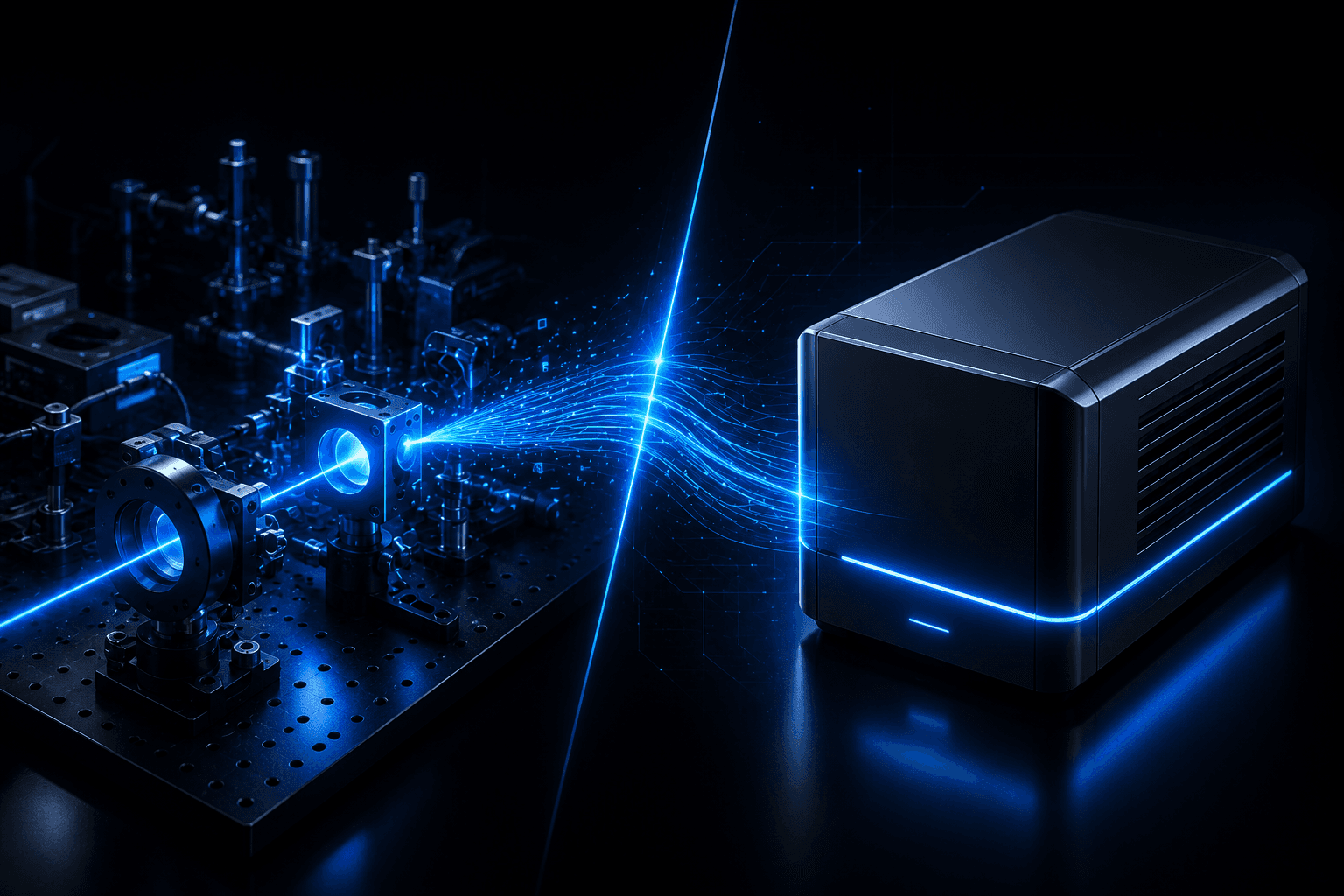
One of the primary challenges is the transition from prototype to product. In research environments, systems are often optimized for performance rather than reliability or scalability. Turning these prototypes into robust, manufacturable products requires a complete rethinking of design, materials, and processes.
Another major hurdle is funding. Deep-tech hardware development typically requires substantial upfront investment in equipment, materials, and talent. Unlike software startups, which can iterate quickly with minimal capital, hardware startups must commit significant resources before generating revenue.
Supply chain complexity adds another layer of difficulty. Many critical components may not be readily available domestically, leading to dependencies on international suppliers. This can introduce delays and increase costs, particularly in times of global uncertainty.
Regulatory and compliance requirements also play a significant role. Depending on the application, products may need to meet stringent standards related to safety, performance, and interoperability. Navigating these requirements can be time-consuming and resource-intensive.
Despite these challenges, there are clear strategies for success. Modular design approaches can help in managing complexity and enabling scalability. Early engagement with potential customers ensures that the product addresses real-world needs, reducing the risk of misalignment.
Partnerships are equally important. Collaborating with academic institutions, research labs, and industry players can provide access to expertise, infrastructure, and validation opportunities. These partnerships can significantly accelerate development and reduce risk.
Ultimately, the key to successful commercialization lies in balancing innovation with practicality. It is not enough to build a high-performance system—it must also be reliable, user-friendly, and economically viable.
For deep-tech startups, this journey is demanding but deeply rewarding. Those who succeed not only create valuable businesses but also contribute to the advancement of entire industries.